
Start with smarter fibre choices
The fibre behind hygiene paper shapes its environmental impact before the product reaches the washroom. For organisations linking procurement to ESG targets, choosing a lower-impact fibre route can make a measurable difference without changing how the washroom operates.
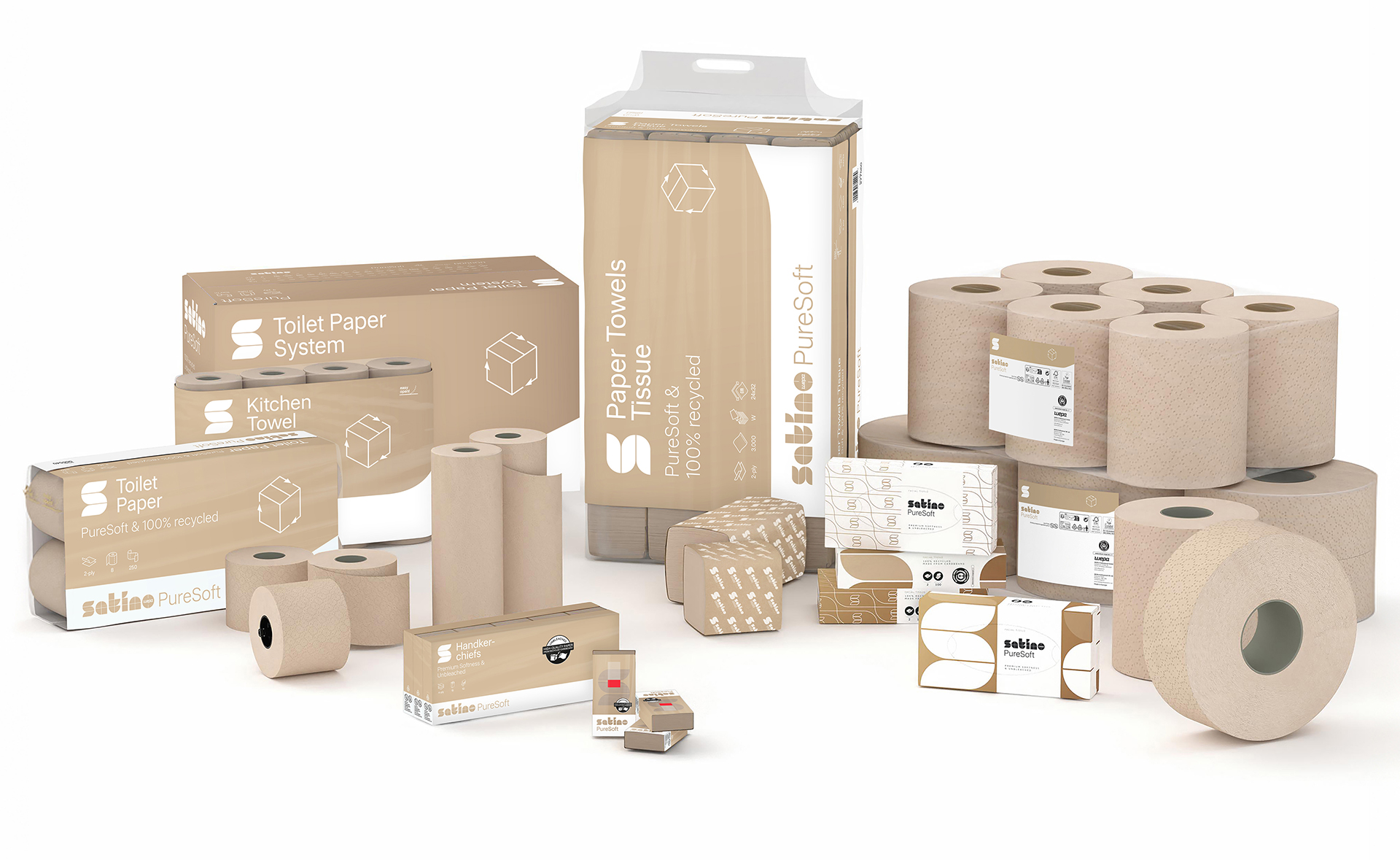
Satino PureSoft uses recycled fibres derived from cardboard within a controlled fibre process. It is 100% recycled – made from cardboard and unbleached, with softness and absorbency suited to professional use. Its raw material has an 80% smaller ecological fibre footprint* compared with virgin wood-based fibres, based on the scientific LCA method of Ecological Scarcity 2021.
Satino GreenGrow provides a different route. It combines Miscanthus grass cultivated in Western Europe with recycled materials, creating hygiene paper that is soft, absorbent and strong. Its fibre footprint is 65% lower than the virgin fibres currently used by WEPA, calculated as part of a life cycle assessment.
For procurement teams, this means fibre choice can support environmental targets, while keeping product quality and performance where they need to be.
Keep valuable fibres in circulation
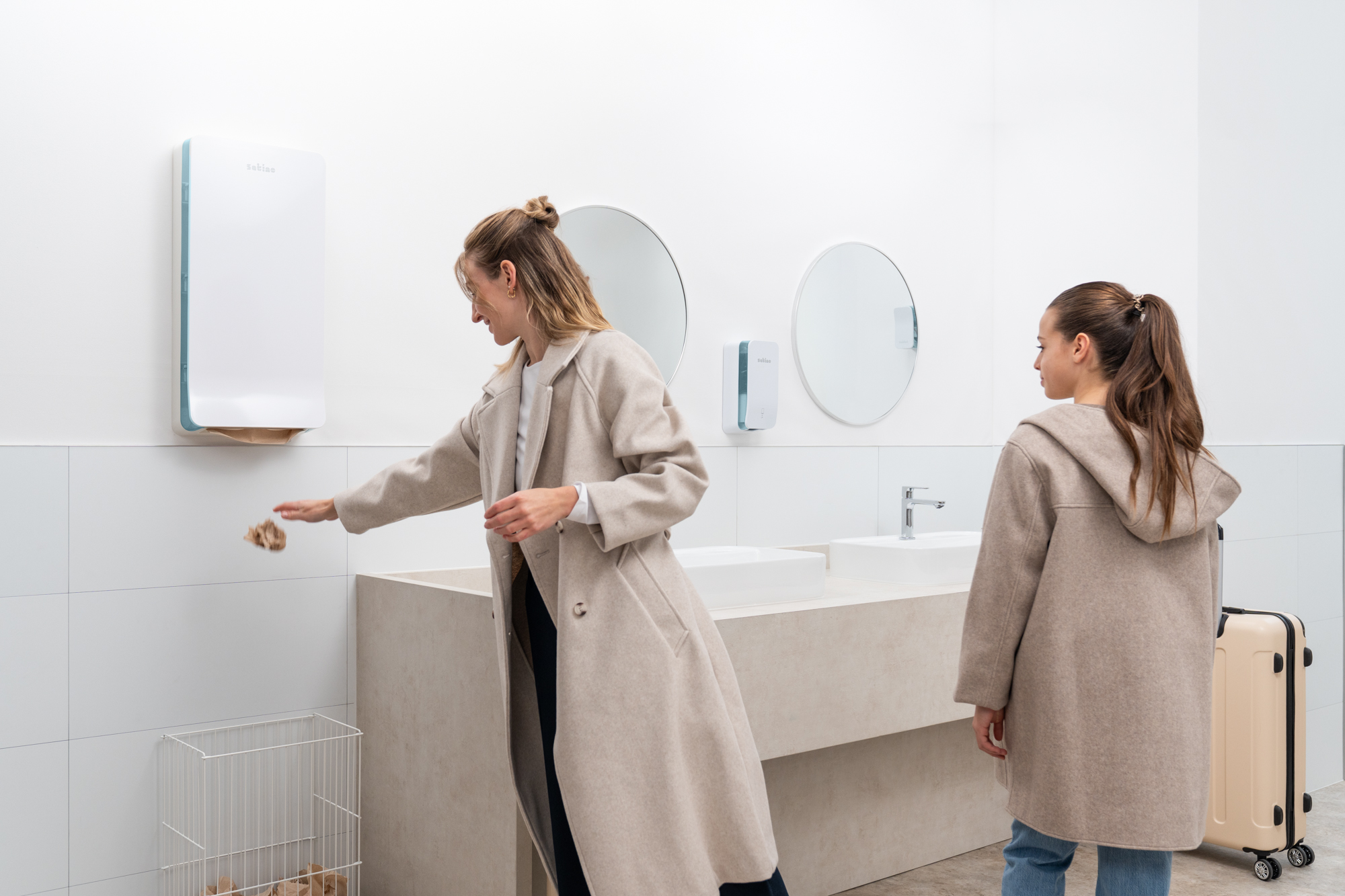
Paper towels are used in high volumes, so what happens after use can make a meaningful difference to waste and resource efficiency. Satino Services supports the separate collection of used paper towels so the fibres can be recycled into new hygiene paper.
By returning those fibres into production, businesses can reduce residual waste and extend the useful life of material already in circulation. This makes circularity a practical part of washroom management and gives ESG targets a clear operational link.
Keep hygiene feeling good
Sustainable hygiene still has to deliver the experience expected in a professional washroom. Fibre innovation only has true value when the product feels right for users and works reliably in use.
Satino keeps product quality at the centre of its fibre technologies, while Satino Services help extend the value of those fibres after use. Together, these solutions support ESG goals while maintaining the quality and performance users expect.
Explore Satino Services or speak to our team about how fibre technologies and circular hygiene solutions could support your organisation
ENDS
*compared to the fresh fibres currently used at WEPA**Based on the scientific LCA method of Ecological Scarcity 2021 benchmarking average WEPA data of 2023 reviewed by Carbotech (using different methodologies may lead to different results). Further information can be found at: ecological Footprint